Last Call for Your Microbiome? A Bar-Order Cheat Sheet for Gut-Conscious Drinkers
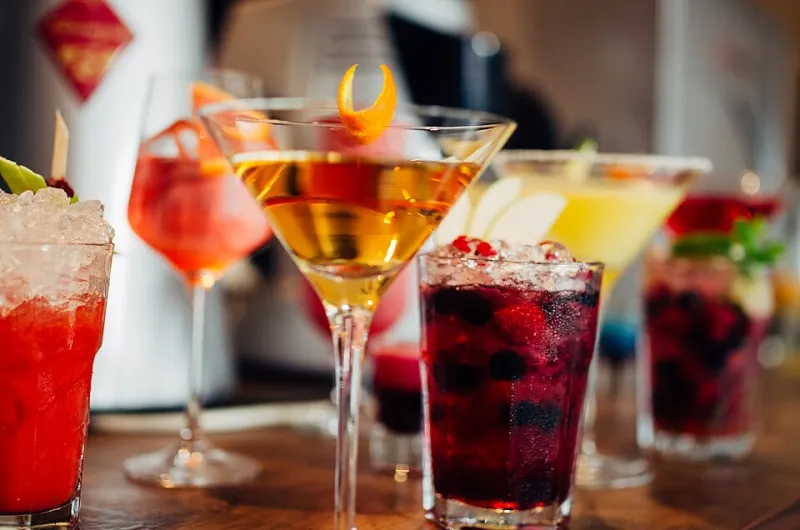
Photo: Shixart1985, CC BY 2.0, via Wikimedia Commons
You already know the drill: fiber feeds your gut bacteria, fermented foods add new recruits, and variety keeps the whole neighborhood thriving. What most of us conveniently skip over is the other thing happening at happy hour — the drinks themselves.
Alcohol and your microbiome have a complicated relationship. Not a "never touch the stuff" relationship, necessarily, but definitely not a neutral one either. Here's what the science says, and more importantly, what to order when your coworkers say "one more round."
What Alcohol Actually Does Down There
When you take a drink, most of the absorption happens in your stomach and small intestine — but a meaningful amount reaches your colon, where trillions of bacteria are living their best (or worst) lives.
Research consistently shows that heavier drinking patterns are associated with something researchers call dysbiosis — basically an imbalance where inflammatory bacteria gain ground and beneficial ones lose it. Chronic, heavy alcohol intake has been linked to increased gut permeability (sometimes called "leaky gut" in wellness circles), reduced microbial diversity, and shifts in bacterial populations that promote inflammation.
The flip side? Light-to-moderate drinking tells a muddier story. Some observational studies have found modest red wine drinkers have more diverse microbiomes than abstainers — though, as always with observational data, it's hard to separate the wine from the lifestyle of people who sip a glass with dinner. Correlation, meet your old friend confounding.
The practical takeaway: dose matters, frequency matters, and what you drink may matter too.
Ranking the Usual Suspects
Not all drinks hit your gut the same way. Here's a rough cheat sheet, from friendliest to most hostile:
The friendlier end:
- Red wine — Contains polyphenols like resveratrol and procyanidins that your gut bacteria actually metabolize and (bonus) feed on. Dry reds like pinot noir are lower in residual sugar. This is the closest thing to a "gut-neutral" drink in the research.
- Dry white wine and brut champagne — Fewer polyphenols than red, but still relatively low sugar and lower alcohol than most cocktails.
- Vodka or tequila with soda water and lime — Clean spirits, no added sugar, and the citrus adds a whisper of fiber-adjacent flavonoids. Keep it to one and you're fine.
The middle ground:
- Light beer — Lower alcohol means less raw ethanol exposure, though beer's grain content doesn't do much for your bacteria either way.
- Michelada or beer with a salt rim and lime — Same deal, plus tomato juice adds a little lycopene. Technically a vegetable. We're counting it.
The rough end:
- Sugary cocktails (margaritas, Long Islands, mojitos with syrup) — The double whammy: ethanol plus a sugar load that feeds less-friendly bacteria and spikes inflammation. A classic margarita can pack 30+ grams of sugar.
- Sweet ciders and hard seltzers with artificial sweeteners — The alcohol is one thing; the sugar alcohols and sweeteners can also cause bloating and may not do your microbial mix any favors.
- Heavy, sweet craft stouts and pastry beers — Delicious, but they're essentially dessert with a buzz.
The Mocktail Question
Going alcohol-free is, microbiome-wise, the cleanest move — but check what you're swapping in. Many bar mocktails are basically juice and syrup, which trades one gut problem for another. Better bets: sparkling water with bitters (barely any sugar), a virgin Bloody Mary (tomatoes are a legit polyphenol source), or kombucha if the bar carries it — an increasingly common find on US drink menus.
Five Rules for a Gut-Friendly Night Out
- Eat before, not after. Food slows alcohol absorption and gives your gut lining some buffer. A dinner with fiber and protein beats drinking on an empty stomach every time.
- Pick dry over sweet. Dry wines, spirits with soda, brut sparkling. Sugar is the multiplier you don't need.
- Hydrate between rounds. Alcohol is a diuretic, and dehydration makes every downstream effect worse — including digestion.
- Keep the ratio honest. If most of your week's plant intake is happening only when you're out, that's a different problem. Your microbiome is built on daily habits, not Friday nights.
- Build in dry stretches. Some researchers suggest your gut bacteria recover with alcohol-free days. Even a few per week gives the ecosystem room to rebalance.
The Bottom Line
Your microbiome isn't asking you to quit happy hour. It's asking for moderation, less sugar, and a diet the rest of the week that actually feeds it — think the 30-plants approach we've covered before, plus fermented foods and plenty of fiber.
Order the dry red. Skip the Long Island. And maybe close the tab after round two. Your gut bacteria will thank you — quietly, in their trillions.