Skip the Marketing Hype: A Coffee Shop Ranking That Actually Helps Your Gut
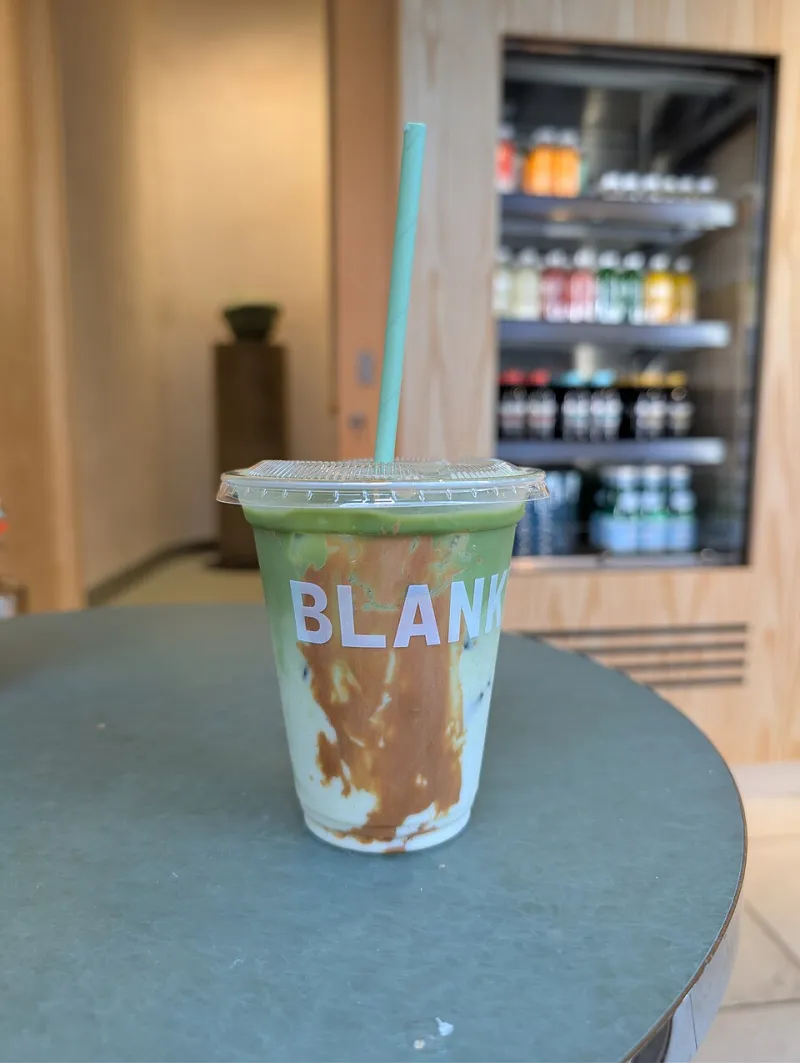
Photo: Andy Li, CC0, via Wikimedia Commons
Your gut microbiome isn't picky about where its fiber comes from. It doesn't care if the prebiotics arrive in a $14 wellness smoothie or a gas station kombucha. What matters is what actually makes it to your colon — and some of the most ordinary stops in an American morning are quietly delivering.
The catch? Coffee shops and convenience stores are also where marketing hype runs wild. "Gut-friendly" on a label often means nothing at all. So we ranked the usual suspects, from genuinely useful to purely cosmetic.
The Rankings: Best to Worst for Your Microbiome
1. Cold Brew with Oat Milk
Here's the sleeper hit. Oat milk contains beta-glucan, a soluble fiber with real research behind it — it feeds beneficial gut bacteria and helps with cholesterol. It's not a huge dose (an oat milk latte delivers maybe 1-2 grams), but it's fiber showing up in a place fiber rarely does: your coffee order.
Cold brew itself is lower in acidity than hot coffee, which some people with sensitive stomachs tolerate better. Coffee also contains polyphenols and a bit of soluble fiber that bacteria can ferment.
The honest verdict: This isn't a probiotic. But as a small, repeatable daily fiber nudge, it's one of the easiest wins on the menu.
2. Kombucha (Yes, Even at the Gas Station)
Kombucha has gone fully mainstream — you'll find it in the refrigerated case at truck stops and grocery chains alike. It's genuinely fermented, which means live cultures, though heat, processing, and time reduce how many survive.
Look for:
- "Raw" or "unpasteurized" on the label — pasteurization kills the cultures
- Refrigerated storage — shelf-stable versions are usually pasteurized
- Low sugar — some brands pack 20+ grams per bottle, which works against the benefit
3. Plain Greek Yogurt Parfaits
Most coffee-shop parfaits are a sugar bomb with yogurt as a garnish. But if you can get plain or lightly sweetened Greek yogurt with live active cultures, plus actual berries and a sprinkle of granola, you've got a decent trio: probiotics, fiber, and polyphenols.
The problem is the version most places sell — flavored yogurt sweetened to dessert levels. Check the sugar count. If it's over 15 grams before you add toppings, you're buying ice cream with a health halo.
4. Black Coffee, No Frills
Underrated. Coffee itself contains chlorogenic acids and small amounts of soluble fiber that reach the colon. Studies consistently link moderate coffee drinking with greater microbiome diversity. It's not dramatic, but it's real — and it requires zero effort.
5. "Probiotic" Sparkling Sodas and Prebiotic Sodas
This is where hype outpaces evidence. Prebiotic sodas often contain chicory root fiber, which is a legitimate prebiotic — but a few grams in a can is a marketing gesture, not a meaningful intervention. Some also use large amounts of certain fibers that cause bloating if you're not used to them.
Probiotic sodas are murkier. Strain counts and survivability vary wildly, and few brands publish solid data. Treat these as a fun swap for regular soda, not a gut health strategy.
6. Frappuccino-Anything
No fiber, no ferments, 50+ grams of sugar. Sugar-heavy drinks don't directly wreck your microbiome in one serving, but a diet consistently high in added sugar tends to crowd out the fiber-rich foods your gut bacteria actually want. This is the order to treat as dessert.
Your Next Order, Decoded
Here's a cheat sheet for tomorrow morning:
- Best everyday pick: Cold brew or latte with oat milk — small fiber nudge, tastes normal, zero effort
- Best ferment: Refrigerated, raw, low-sugar kombucha
- Best snack upgrade: Plain Greek yogurt with live cultures, real berries, minimal granola
- Best zero-effort option: Black coffee
- Skip or save for dessert: Anything with "frap" in the name, and most bottled "functional" sodas
One Honest Caveat
None of these replaces the big levers. A microbiome thrives on variety — the research on eating 30 different plants a week is some of the most compelling in nutrition right now. Your coffee order is a garnish on that foundation, not the meal.
But small habits compound. If your daily stop can quietly add a gram of beta-glucan or a few live cultures to a routine you already have, that's a gut health upgrade that requires zero willpower. And those are the only upgrades most of us actually keep.