The Gut-Aisle Audit: Which Prebiotic Sodas, Fiber Powders, and Protein Puffs Earn a Spot in Your Cart
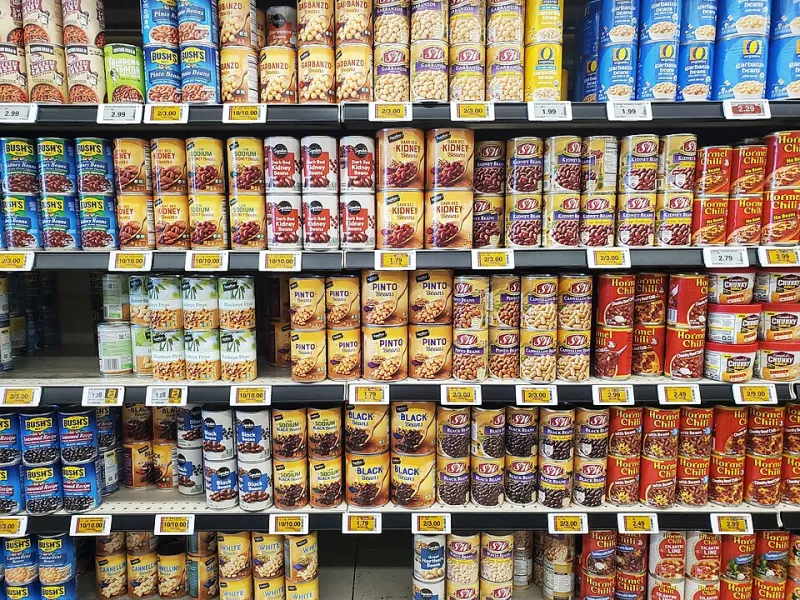
Photo: Born to Barnacle, CC0, via Wikimedia Commons
The gut-health aisle has become a mood ring for the American grocery store. A few years ago, you had to hunt for psyllium. Now a single shelf can hold prebiotic sodas in flavors that sound like candle names, fiber powders with influencer codes, and protein puffs that promise to fix your microbiome between handfuls. Some of it is genuinely useful. Some of it is a $3.49 can of marketing with a sprinkle of chicory root.
This is not a boycott list. It is an audit. The goal is to separate shortcuts from expensive theater, using four boring questions that matter more than any front-of-package promise.
The four-question cart test
Before a product goes in the cart, ask:
- Does it deliver a meaningful fiber dose? The US daily target is roughly 25 to 38 grams of fiber, depending on age and sex. A product with 2 grams is not useless, but it is not a fiber strategy. A product with 5 grams or more is doing real work if you actually eat it regularly.
- Is there evidence for the ingredient, not just the vibe? Inulin, psyllium, beta-glucan, and resistant starch have research behind them. A dusting of chicory root in a sparkling drink is not the same as a tested dose.
- What else is in the can or pouch? Sugar alcohols, added sugars, sodium, and carbonation can matter for people with sensitive guts. A product can be microbiome-friendly on paper and still leave you bloated on the couch.
- What is the cost per gram of fiber? This is the number the label never shows. Divide the price by the total grams of fiber per container. It turns marketing into math.
Prebiotic sodas: refreshing, but not a fiber fix
Grade: B- if it replaces a sugary soda; C if it is added on top of your usual drinks.
Prebiotic sodas usually deliver 2 to 5 grams of fiber per can, often from chicory root inulin or a blend of fibers. That can feed bifidobacteria, which is a real thing. But the dose is modest, the cost per gram of fiber is high, and carbonation plus sweeteners can cause gas in people who are not used to either.
If you are a daily soda drinker and this helps you cut back, that is a win. If you already drink water and you are adding a $3 can for gut health, you are mostly buying a pleasant ritual. That is allowed. Just do not call it a fiber supplement.
Fiber powders: the closest thing to a shortcut
Grade: A- for plain psyllium or a simple soluble fiber; B for blends with extra sugars and flavor systems.
Fiber powders are the least glamorous and most useful products in the aisle. Psyllium husk has good evidence for regularity. Partially hydrolyzed guar gum and other soluble fibers can help some people. The trick is to start small, drink enough water, and not treat a scoop as a personality.
A plain fiber powder often lands around 5 grams of fiber per serving for 30 to 80 cents. That is a reasonable cost per gram compared with a prebiotic soda. Flavored blends can be fine, but check the serving size and the sweetener load. If the first ingredient is a sugar alcohol, your gut may file a complaint before the fiber does its job.
Protein puffs and gut-labeled snacks: protein first, gut second
Grade: C+.
Protein puffs are having a moment. They are crunchy, convenient, and often taste better than they have any right to. But many deliver 10 to 20 grams of protein and only 2 to 4 grams of fiber. That is a snack, not a gut-health intervention.
The cost per gram of fiber is usually poor. If you like the taste and it helps you avoid a vending machine, fine. If you are buying it because the bag says microbiome, read the nutrition panel first. Protein is not fiber. A puff is not a pulse.
Probiotic everything: strain, dose, evidence
Grade: C for generic probiotic claims; B+ only when a specific strain and dose match a specific goal.
Probiotics are strain-specific. That means the evidence for one strain does not automatically transfer to another, and a fermented drink with a long list of bacteria is not a clinical trial. Some products have solid research behind them. Many do not.
For most people, fermented foods like yogurt, kefir, or tempeh are a simpler and cheaper way to add live cultures. If you are buying a supplement for a specific issue, look for the strain name and the colony-forming units, and talk to a clinician if you are immunocompromised or seriously ill.
The shortcut-versus-hype framework
A product earns a regular spot if it clears three bars: it delivers at least 3 to 5 grams of fiber or a tested probiotic strain, it costs less than about 15 cents per gram of fiber, and it solves a problem you actually have. A product is probably hype if it needs a paragraph of explanation, a influencer code, and a serving size smaller than your palm to make its claim work.
My own cart is boring: plain psyllium, canned beans, frozen vegetables, oats, and whatever fermented food is on sale. The fancy stuff is not evil. It is just optional. In 2026, the smartest gut-health purchase is still the one you will actually use, afford, and tolerate.
The bottom line
Buy the shortcut, not the story. Prebiotic soda can be a better drink choice. Fiber powder can be a real tool. Protein puffs can be a snack. None of them replace the unglamorous work of eating plants, beans, and enough total fiber. The label is not the microbiome. Your grocery list is.