Permission Slips: Why One Slice of Cake Doesn't Undo Your Microbiome
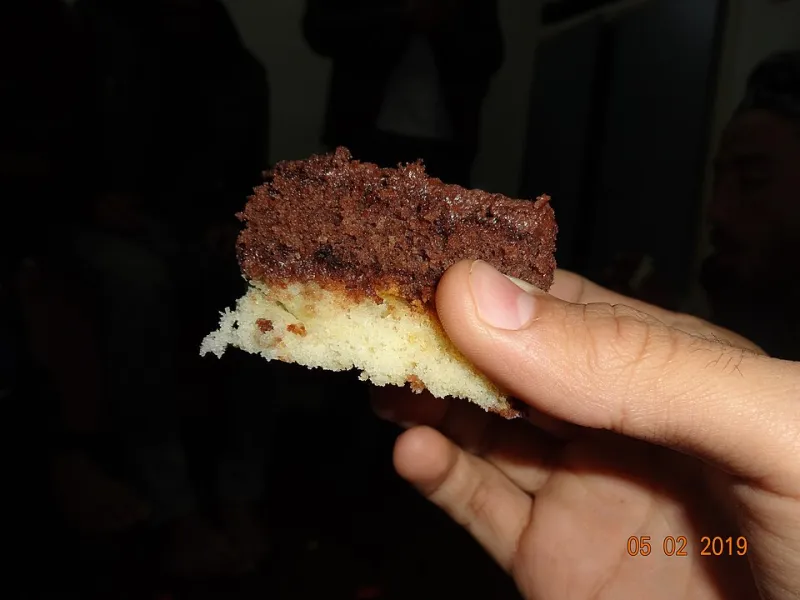
Photo: Kskhh, CC BY-SA 4.0, via Wikimedia Commons
There is a moment that happens in almost every well-intentioned gut-health plan. Someone brings a sheet cake into the breakroom at 2:40 on a Wednesday, and you stand there holding a paper plate, running the arithmetic. Nineteen grams of fiber so far. Two liters of water. A walk at lunch. And now this.
The rigid answer is no. The realistic answer is yes, and then the question becomes what happens next.
We think the next thing should be nothing dramatic. Not a punishment workout, not a week of penance salads, not a spiral in which one frosted square becomes evidence that you're bad at this. What we'd argue for instead is something we've started calling the celebration exception.
The all-or-nothing trap
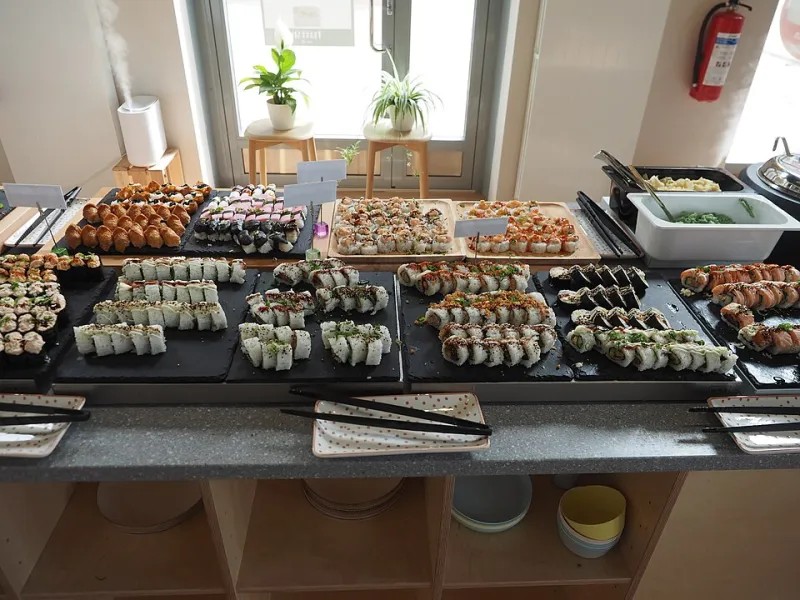
Here's the problem with strict gut-health rules: they treat your microbiome like a spreadsheet that has to balance every single day. That's not how digestion works, and it's definitely not how humans work. Office birthdays, holiday cookies, a friend's pizza night, a wedding reception with a mashed potato bar — these aren't edge cases. They're just life, happening on a Tuesday.
When your plan has no room for cake, cake becomes a crisis. And crises tend to produce the behavior that actually hurts: a two-day rebound of skipped meals and guilt, or the opposite, a full week of 'well, I already blew it.'
What one heavy meal actually does
A single large, high-fat, high-sugar meal gets a lot of attention, and it does cause real, measurable short-term shifts — a temporary bump in post-meal blood sugar, some bloating, occasionally a looser stool the next morning. Those effects are usually transient.
The microbiome itself is remarkably stubborn. Your community of gut bacteria responds to patterns, not single events. A dessert doesn't refashion your intestinal ecosystem in an evening any more than one salad rescues it. What the research does consistently show is that diversity and fiber intake over weeks and months are the levers that matter.
So the honest framing is this: the cake is not the problem. The problem is when the celebration becomes the default. A birthday once a week is a pattern. A birthday once in a while is a Wednesday.
Defining the celebration exception
A celebration exception is a small pre-decision. You pick the events that are genuinely celebratory — the ones with candles, or a tablecloth, or people you love — and you enjoy them fully. Everything that isn't actually a celebration keeps its usual shape. Cheap grocery store cookies eaten alone at your desk are not a celebration. Grandma's holiday cookies are.
It works because it removes the instant negotiation. You're not deciding in the moment whether you deserve the slice. You decided in advance who gets an exception and who doesn't, and now you're just eating.
Pair, don't punish
Pairing is the practical half of the idea. It's not about offsetting calories like a math problem; it's about giving your gut something to work with alongside the sugar and fat.
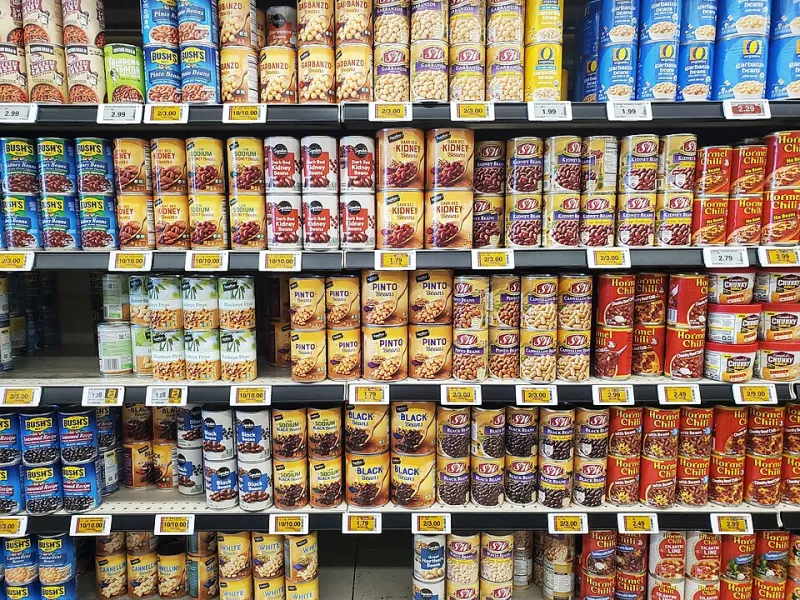
- Add fiber to the meal, not after it. If it's a pizza night, order a side salad or throw a jar of roasted peppers and a can of chickpeas on the table. If it's cake at 2:40, have a real lunch with beans or whole grains a couple hours earlier.
- Include protein and fat with the treat. A slice of cake eaten alone sends blood sugar on a sharper ride than the same slice after a meal with protein.
- Keep the water going. Celebration food tends to be salty (pizza, chips, takeout), and salt without water is a bloating complaint waiting to happen.
- Don't skip breakfast the next day. The instinct to 'balance things out' with a skipped meal usually ends with a hungrier, snappier version of you by noon.
Timing beats perfection
Two small timing habits do a lot of quiet work here. First, front-load fiber earlier in the day when you know a celebration is coming — beans at lunch, oats at breakfast, fruit as an afternoon snack. Second, don't schedule heavy meals back to back. If Friday night is the big dinner, Saturday morning doesn't need to be brunch with bottomless mimosas and a plate of pastries.
That's it. That's the whole system. It's not glamorous, but it's the version people can actually keep.
A script for the office birthday
If you need words, borrow these:
'I'll take a small slice — it looks great.' A small slice is a real slice. Nobody's counting.
'I'm good for now, thanks.' Also complete. No explanation required, no commentary about being healthy, no making anyone else feel weird about their plate.
'I'll grab some fruit with it.' Useful when there's a fruit tray sitting next to the cake. Fiber pairing, social cover, done.
What you don't need to say is anything about your gut, your diet, or your rules. The moment you narrate the exception, it becomes a thing everyone has an opinion about.
The 48-hour reset
After a genuinely big food day, give yourself two days of ordinary eating. Not a cleanse, not a detox, not a juice situation. Ordinary: a fiber-rich breakfast, a lunch built on vegetables and beans, a normal dinner, a walk, a full water bottle. Two days of normal is far more restorative than a week of penance, and it's much more likely to actually happen.
Where flexibility turns into drift
Be honest with yourself about the boundary. The celebration exception has an expiration date built in — it's one event, maybe one evening. If you find the exception applying three or four times a week, it's stopped being an exception and started being your diet, and the fiber numbers will tell on you within a month.
That's the whole argument. You don't need to protect your microbiome from cake. You need to protect it from a plan so brittle that one slice of cake knocks it over.