The Tailgate Totem Pole: Ranking Stadium and Tailgate Foods by What They Do for Your Gut
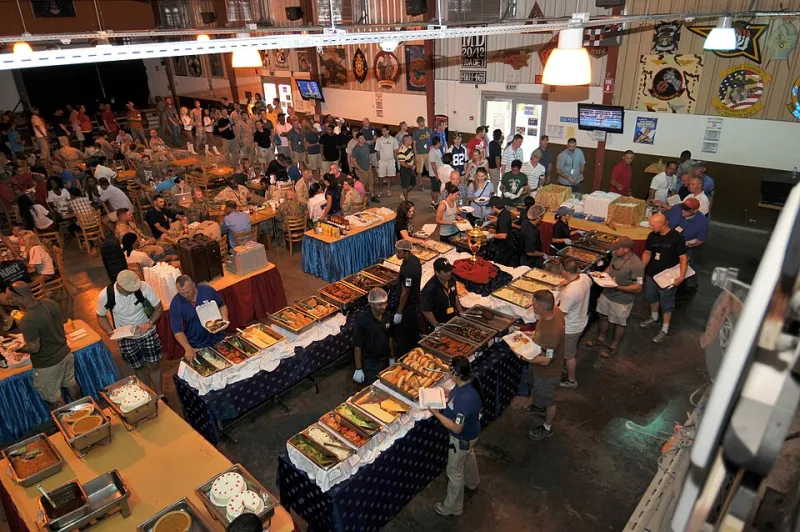
Photo: Petty Officer 2nd Class Eric Garst, Public domain, via Wikimedia Commons
Every Saturday in the fall, millions of Americans turn a parking lot into a dining room. And while the tailgate spread gets judged on flavor, tradition, and how well it pairs with a folding chair, almost nobody asks the question we care about at Fuel & Fiber: what is this food doing to the trillions of microbes in your gut?
Turns out, the answer varies a lot. Some tailgate staples are quietly feeding your microbiome. Others are basically a bye week. So we ranked the classics — S-tier down to benchwarmer — with a gut-health lens and zero judgment about the smoke coming off your brisket.
S-Tier: The Microbiome MVPs
Chili. The undisputed champion of the parking lot. Beans bring fiber — including resistant starch and soluble fiber that your gut bacteria ferment into short-chain fatty acids, the compounds linked to a healthier gut lining. Toss in tomatoes, onions, and garlic and you've also got prebiotics baked right into the dish. A bowl of chili is basically a fiber supplement wearing a costume.
Cabbage slaw. Coleslaw gets a bad rap because of the mayo, but cabbage itself is a gut all-star: cruciferous, fibrous, and full of compounds that beneficial bacteria love. If your crew does a vinegar-based slaw — like a Carolina-style version — you're getting fermented-adjacent benefits without much added sugar. Keep it on the plate.
A-Tier: Solid Contributors
Bean dip and hummus. Any bean-based dip is doing real work. The catch is what you scoop it with. Tortilla chips are fine in moderation, but swapping in veggie sticks — carrots, celery, bell peppers — doubles the fiber and turns a decent snack into a genuinely good one.
Grilled chicken skewers. Lean protein doesn't feed your microbes directly, but it doesn't hurt them either, and it leaves room on your plate for the foods that do. Chicken with a pepper-and-onion kabob situation is a well-balanced tailgate play.
B-Tier: Fine, With a Catch
Brats and burgers. Here's where we have to be honest. Processed meats like brats and hot dogs are consistently associated with worse health outcomes in long-term studies, and they bring zero fiber to the table. We're not telling you to skip the grill — this is a tailgate, not a spa. But treat these as the side dish, not the main event, and stack your plate with the S-tier stuff first.
Potato salad. The potatoes themselves contain resistant starch, especially if they've been cooked and cooled — which is exactly how most picnic potato salad is made. That's a genuine win. The downside is that many recipes are heavy on mayo and light on anything else. A version with pickles, celery, and mustard bumps it up the rankings.
Benchwarmer: The Foods Your Gut Could Do Without
Sugary sodas and sweetened drinks. Liquid sugar delivers a fast hit with nothing for your microbes to chew on. If you're not drinking beer, sparkling water with lime is an easy swap nobody at the party will question.
Cheese puffs and neon snacks. Ultra-processed snacks are engineered for a melt-in-your-mouth quality that makes it easy to eat a whole bag. They offer essentially nothing in the way of fiber, and the packaging-to-snack ratio is working against you. Grab a handful if you want one; just don't make it a meal.
Building a Better Plate Without Killing the Vibe
Nobody's asking you to show up with kale chips and a lecture. The smarter move is sequencing and pairing:
- Hit the fiber first. Starting with chili, slaw, or bean dip means the good stuff is in your stomach before the brats show up.
- Use the half-plate rule. Half your plate from the plant-forward options, half from whatever's on the grill.
- Bring one S-tier dish yourself. A big batch of chili or a vinegar slaw guarantees there's something gut-friendly on the table — and it always disappears fast.
Game day is about tradition, and traditions don't need to be torn down. They just need a little backup on the roster. Put your microbes in the game, and they'll take care of the rest.