Stealth Fiber: Twelve Swaps That Slip Past a Vegetable Skeptic
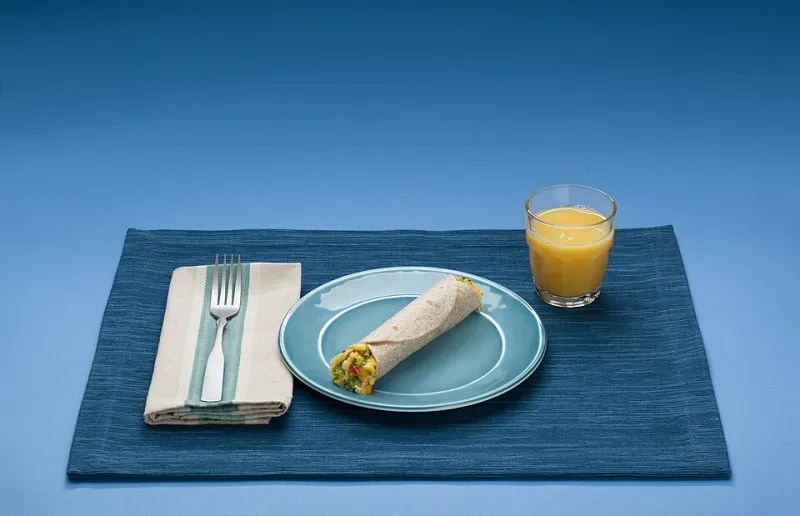
Photo: U.S. Department of Agriculture, Public domain, via Wikimedia Commons
Every fiber article eventually says the same thing: eat more beans, more greens, more whole grains. Great advice, delivered to a lot of people who would rather eat the cardboard sleeve than a bowl of lentils.
That's not a character flaw. Vegetable tolerance is partly genetic (some people actually taste bitterness more intensely), partly habit, and partly a texture thing that no amount of lecturing fixes. So instead of asking anyone to love kale, here's a different strategy: swap the small stuff, raise the numbers quietly, and never announce it at the table.
Why 'just eat more vegetables' fails
Three reasons, mostly. It's a big ask, all at once. It usually involves a preparation style from someone else's childhood. And it makes vegetables the main event, which means every meal becomes a referendum on your relationship with broccoli.
Fiber is a boring, forgiving nutrient, though. Nobody says you have to get it from a salad. Twelve grams of fiber from pasta, tortillas, and peanut butter is still twelve grams of fiber, and that's the number that matters for the microbes in your gut.
The rules of the stealth swap
Keep the texture the same, keep the flavor profile the same, and don't swap more than one thing per meal. A blend is almost always better than a full replacement — half white pasta and half chickpea pasta is invisible, while a bowl of chickpea pasta alone is a texture you'll notice.
And go slow. If you jump from 12 grams of fiber a day to 30 by Friday, your gut will have opinions, and the opinions will be gas and bloating. Add one swap every few days.
Pasta, bread, and the things that hold a sandwich
1. Blend the pasta. Use half regular noodles, half chickpea or red lentil pasta in the same pot. Same sauce, same meatballs, an extra 4 to 6 grams of fiber per serving.
2. Switch to a tortilla with the sneaky label. The standard flour tortilla has about a gram of fiber. Look for ones listing whole wheat flour or a fiber blend first, or the smaller corn tortillas, which bring 2 to 3 grams each without tasting like anything new.
3. Buy the bread with the boring panel and the big number. Aim for 3 or more grams of fiber per slice. If the first ingredient is whole wheat flour rather than enriched wheat flour, you're there.
4. Upgrade the breadcrumbs. Crushed whole wheat crackers pulsed in a food processor work identically in meatloaf and topping. Nobody has ever noticed.
Sauces, dips, and the spread economy
5. Mash beans into the hummus. Whatever hummus you already buy, stir in a couple of tablespoons of mashed white beans or chickpeas. Texture unchanged, fiber up.
6. Two tablespoons of flax into the pasta sauce. Ground flaxseed disappears into marinara and adds 4 grams of fiber per serving. So does a spoonful into a smoothie or oatmeal.
7. Put the fiber in the dip. Stir a tablespoon of chia into ranch or yogurt dip, let it sit ten minutes, and it thickens the same way it would in pudding.
8. Choose the chunky jarred salsa. The salsa with visible peppers and onion carries noticeably more fiber than the smooth stuff. Tiny difference, free to make.
Snacks and the stuff in your desk drawer
9. Trade puffed for popcorn. Popcorn delivers roughly 4 grams of fiber per 3 cups. It's a volume snack that behaves like junk food, and there's a reason it shows up on every fiber list.
10. Pick a bar that leads with nuts and dates. The check is simple: dietary fiber of 5 grams or more, and a first ingredient you recognize. Most of the candy-style bars won't pass.
11. Pretzels with hummus instead of pretzels alone. You're probably doing this already. It's a fiber upgrade for free, since the pretzels were never the problem.
12. Keep frozen berries in the freezer door. A handful stirred into yogurt or a bowl of cereal adds fiber and sweetness without adding a vegetable to your life.
The two-week starter plan
Week one is about building the habit without changing how your meals look.
- Days 1 and 2: pasta blend at dinner, twice. Nothing else changes.
- Days 3 and 4: swap your sandwich bread for a 3-gram-per-slice loaf.
- Days 5 and 6: flaxseed in whatever sauce, soup, or smoothie you were already having.
- Day 7: popcorn as your afternoon snack, and log nothing. This week isn't about tracking.
Week two is about stacking, not adding more categories.
- Days 8 and 9: tortilla swap plus your new bread. Both are sandwich-adjacent, so it feels like one change.
- Days 10 and 11: a bar that passes the 5-gram check for your usual 3 p.m. slump.
- Days 12 and 13: berries in the yogurt, flax in the oatmeal, and a spoon of mashed beans into whatever dip you buy.
- Day 14: have a normal Tuesday. No swaps scheduled. Check in with how you feel and whether anything changed in the bathroom department, which is the only scoreboard that matters here.
Most people who work through this land somewhere between 5 and 10 extra grams of fiber a day without eating a single visible vegetable. That's a meaningful jump — going from 13 grams to 20 is a bigger health improvement than going from 28 to 30.
What to do when someone notices
They almost never do. But if a family member catches the flaxseed going into the spaghetti sauce and demands an explanation, the answer that ends the conversation fastest is the truth delivered casually: it's just flaxseed, it disappears, eat your dinner. No lecture on the microbiome. No impassioned defense of legumes. Save that for the internet.
The goal isn't to win anyone over to vegetables. It's to raise the fiber number quietly enough that nobody at the table has to think about it — including you.