Frozen, Not Forgotten: Sorting the Freezer Aisle by What It Does for Your Gut
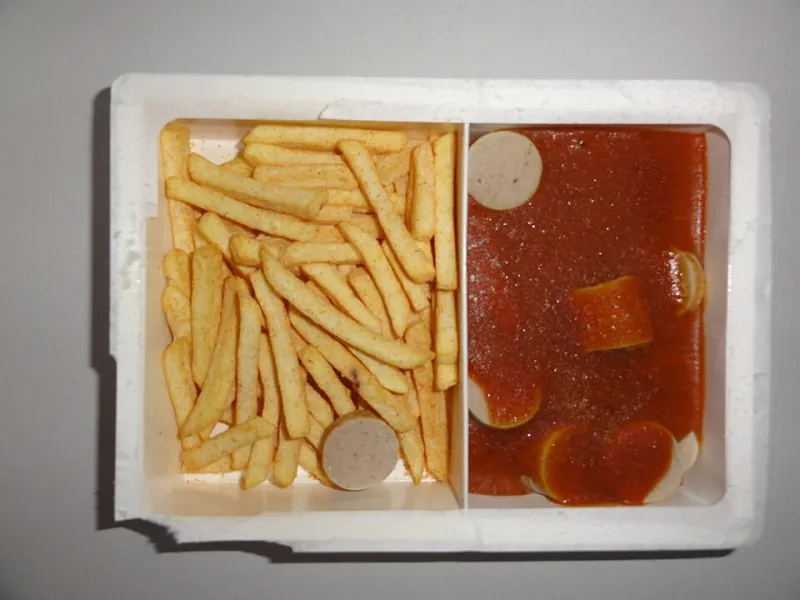
Photo: User:Mattes, CC BY-SA 2.0, via Wikimedia Commons
The freezer aisle is the most honest part of the supermarket. Nothing there pretends to be fresh, nothing is arranged in a picturesque pyramid, and the lighting is the same fluorescent gray for a $2 pot pie and a $9 grain bowl. What separates them isn't the temperature — it's what's inside the box.
Frozen dinners spent two decades as the punchline of nutrition writing, and some of that reputation was earned. But a growing slice of the category is built around lentils, barley, black beans, and riced cauliflower, and those trays can hold their own against a plate you'd assemble at home on a Tuesday when you're too tired to chop.
So we graded the aisle the way we grade everything else at Fuel & Fiber: by what it does for the 38 trillion or so microbes sharing your body with you.
Why frozen dinners get graded on the wrong scorecard
Most rankings lead with calories and sodium, then hand out a gold star if the tray has fewer than 400 of each. That's a fine way to shop for a deficit and a mediocre way to shop for a gut.
Fiber is the number that matters here. The average American lands somewhere near 15 grams a day, while most gut researchers point to 25 to 30 grams as the floor for feeding a diverse microbiome. A frozen dinner with 1 gram of fiber isn't neutral — it's a 400-calorie slot that did nothing for the part of your body you're trying to take care of.
Sodium matters too, but mostly as a trade-off. A tray with 700 milligrams of sodium and 9 grams of fiber beats one with 350 milligrams and a single lonely gram, assuming you're not eating three of them a day.
How this ranking works
Four things moved a dinner up the list: fiber per 300 calories, whether that fiber comes from legumes or whole grains rather than isolated chicory root powder, protein without a wall of saturated fat, and an ingredient list you could read out loud without pausing. Sodium and added sugar moved things down. Price got a nod too, since freezer food is a budget category first.
Tier one: trays that actually feed something
The best of the aisle looks like this: a legume or whole grain in the first two ingredients, 6 or more grams of fiber, and a vegetable that hasn't been pureed into anonymity. Think black bean and quinoa bowls, lentil-and-vegetable stews, chickpea curry over brown rice, and the better frozen burrito bowls.
These aren't miracle food. Sodium usually sits in the 500 to 700 milligram range and the portion is smaller than the box art implies. But they put real fermentable fiber in front of you on a night when the alternative is a bag of chips eaten standing up, and that's a genuine win.
Tier two: good bones, fixable flaws
The middle of the freezer is where most of your shopping will happen, and it's full of trays that got 80 percent of the way there. A brown rice and chicken bowl with 4 grams of fiber. A vegetable lasagna on whole wheat noodles with a lot of cheese. A grain bowl that forgot a legume.
These are worth buying with one small intervention — a can of chickpeas, a handful of frozen edamame, a spoon of chia — which is exactly the ten-minute habit we'll get to below.
Tier three: salt with a sauce packet
Then there's the bottom of the case: pot pies, mac and cheese, breaded chicken with a side of breaded something else, anything with 'creamy' in the name and 1 gram of fiber on the panel.
Nobody's saying never. A pot pie on a rough night is a pot pie. But if your freezer is stocked with these and only these, you've built a fiber desert with a door on it.
The back of the box tells you more than the front
Front-of-box claims are the least reliable information on the package. 'Wholesome,' 'grain-powered,' and 'farm-inspired' are marketing, not measurements. Flip it over and check three lines: dietary fiber, sodium, and the first five ingredients. If a whole grain or a legume shows up before the third item, you're probably in decent shape. If the list opens with water, chicken, salt, modified food starch, and natural flavors, put it back.
One more thing, and it bites people: serving size. Plenty of trays honestly list '1 package' as the serving. Some list half a package, which quietly doubles every number on the panel if you eat the whole thing. You will eat the whole thing.
Ten-minute upgrades for when convenience wins
Frozen dinners respond well to a few fast additions, and they don't require cooking so much as dumping.
- Canned beans, rinsed. Half a can adds 5 to 6 grams of fiber and turns a small tray into an actual meal. Black beans on a Mexican bowl, chickpeas on a curry.
- Frozen edamame. A cup steams in four minutes and brings roughly 8 grams of fiber plus protein.
- Bagged slaw or shredded cabbage. Pile it on anything with a sauce. It wilts just enough, adds crunch, and adds fiber.
- Frozen riced broccoli or cauliflower. Stir it into the rice portion to stretch volume without stretching the sodium.
- Ground flax or chia. Two tablespoons is about 4 grams of fiber stirred into a breakfast tray, soup, or yogurt cup, and you won't taste it.
The bottom line
The freezer aisle isn't a compromise you have to apologize for. It's a tool, and tools work better when you point them somewhere. Buy the trays with legumes and whole grains, keep a can of beans and a bag of edamame behind the door, and read the panel instead of the artwork. Your gut doesn't care that dinner came out of a freezer. It cares what was in the box.